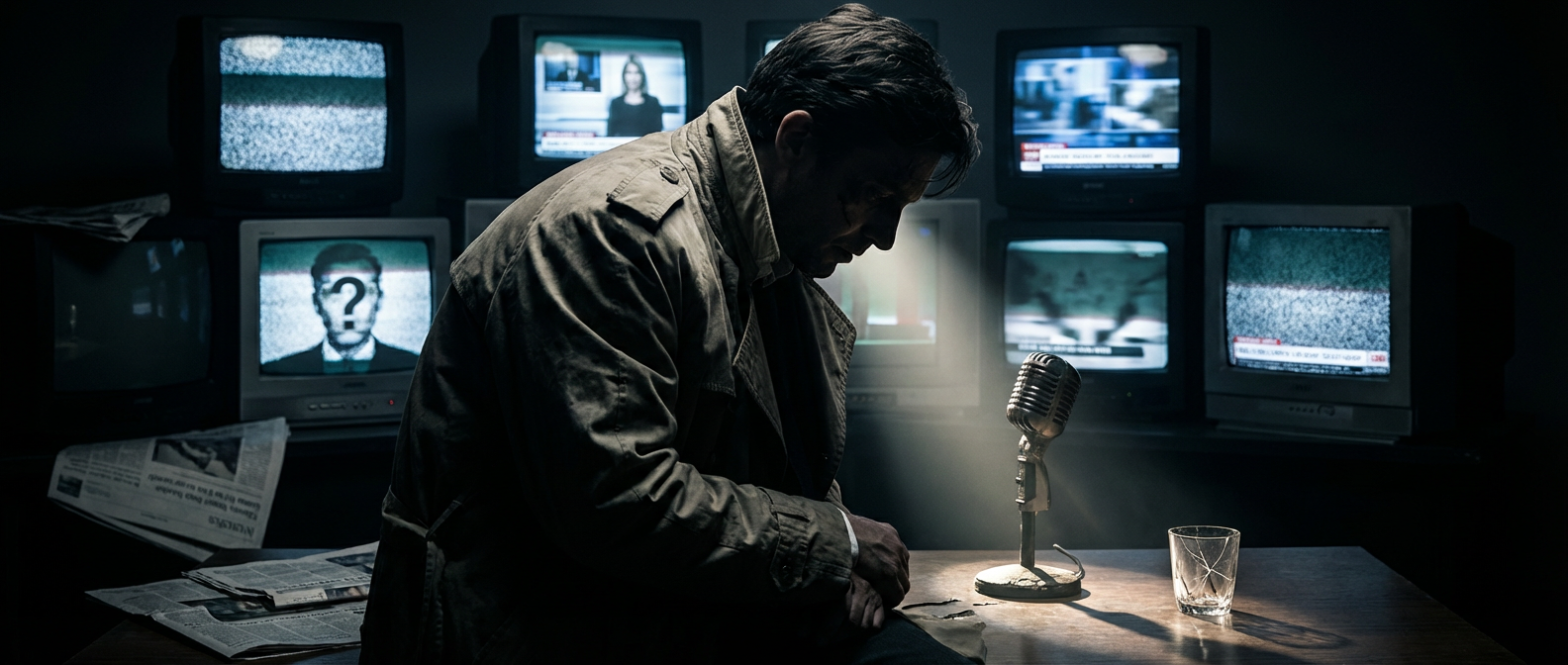
The Numbers Don’t Lie, But They Tell Different Stories
The Edelman Trust Barometer hit me with some pretty grim news this year: global trust in media has crashed to levels I wouldn’t have believed possible a decade ago. But here’s what everyone’s missing in the headlines. This isn’t just about people trusting media less. It’s about trust completely fracturing along different lines.

Spend five minutes scrolling through social media after any major news event and you’ll see it. The same story gets shared with completely different framings. One person’s “heroic whistleblower” becomes another’s “dangerous leaker.” The facts stay the same, but who people trust to report them changes dramatically based on their politics.
This goes way beyond polarization. We now have parallel information worlds where the same outlet gets called propaganda by one group and treated like gospel by another. The result? We’re not just disagreeing about what to think. We can’t even agree on who should tell us what to think about.

The Fact-Checkers’ Paradox
Fact-checking organizations have popped up everywhere. From local newsrooms to global nonprofits, verification has become journalism’s fastest-growing business. The First Draft misinformation research shows these efforts expanding worldwide, yet they’re barely making a dent.
Here’s the cruel irony: fact-checkers are great at reaching people who already trust institutional media. But the audiences most vulnerable to misinformation often see fact-checkers as part of the same corrupt system they’re trying to correct. It’s like trying to convince someone their house is on fire when they think you’re the one who lit the match.
All this fact-checking growth shows journalism takes accuracy seriously. But it also proves we still don’t get that trust isn’t just about being right. It’s about being seen as legitimate by the people you’re trying to reach.
When Warning Labels Become White Noise
Social media platforms rolled out misinformation labels like they’d discovered the cure for fake news. Twitter’s warning flags, Facebook’s disputed content notices, YouTube’s context panels. All meant to slow down false information by making people pause and think.
Turns out these labels work about as well as “Wet Paint” signs. Study after study shows platform warnings barely change user behavior. Some people ignore them completely. Others actually see them as proof the information must be true, figuring anything worth censoring must contain uncomfortable truths.
The platforms assumed people consume information like careful analysts, weighing evidence before forming opinions. But that’s not how humans work. We usually decide whether to trust something within seconds, based on gut feelings and whether we trust the source, not careful fact-checking.
The Prevention Revolution
While fact-checkers chase false claims and platforms stick warning labels on sketchy content, researchers discovered something more promising: stopping misinformation before it spreads works better than trying to correct it afterward. Prebunking actually changes minds in ways debunking never could.
Think of it like getting a vaccine for your brain. By showing people weakened versions of misleading arguments and teaching them to spot manipulation tactics, prebunking builds mental immunity. Instead of playing endless whack-a-mole with individual false claims, this approach fixes the underlying weaknesses that make people fall for misinformation.
The Reuters Institute Digital News Report has tracked how some news organizations are trying this approach, teaching media literacy alongside regular reporting. Early results suggest helping people understand how misinformation works beats simply telling them what to believe.
The Synthetic Media Storm
While newsrooms fight traditional misinformation, AI just threw a wrench into everything. Deepfake technology can now create convincing video of public figures saying things they never said. AI generates fake photos that fool expert analysis. Synthetic audio can copy voices with scary accuracy.
This isn’t some future problem. It’s happening right now. I’ve seen newsrooms encounter AI-generated content that needs specialized tools and expertise to detect. Traditional verification methods like calling sources, checking documents, examining metadata? Not enough when the content itself is artificially created.
But the real challenge goes deeper than technology. Synthetic media threatens the basic idea that seeing is believing. When any video could be fake, how do we establish shared truth? When audio evidence becomes unreliable, how do we verify claims? AI-generated content doesn’t just create new types of misinformation. It makes people doubt all media.
Moving forward means completely rethinking verification. Newsrooms need new tools, new training, and new partnerships with tech experts. But most importantly, we need better ways to prove our trustworthiness to audiences who have good reason to be skeptical. The trust crisis in media isn’t just about what we report. It’s about how we prove we deserve to be believed in the first place.