The Budget Vote That Changed Everything
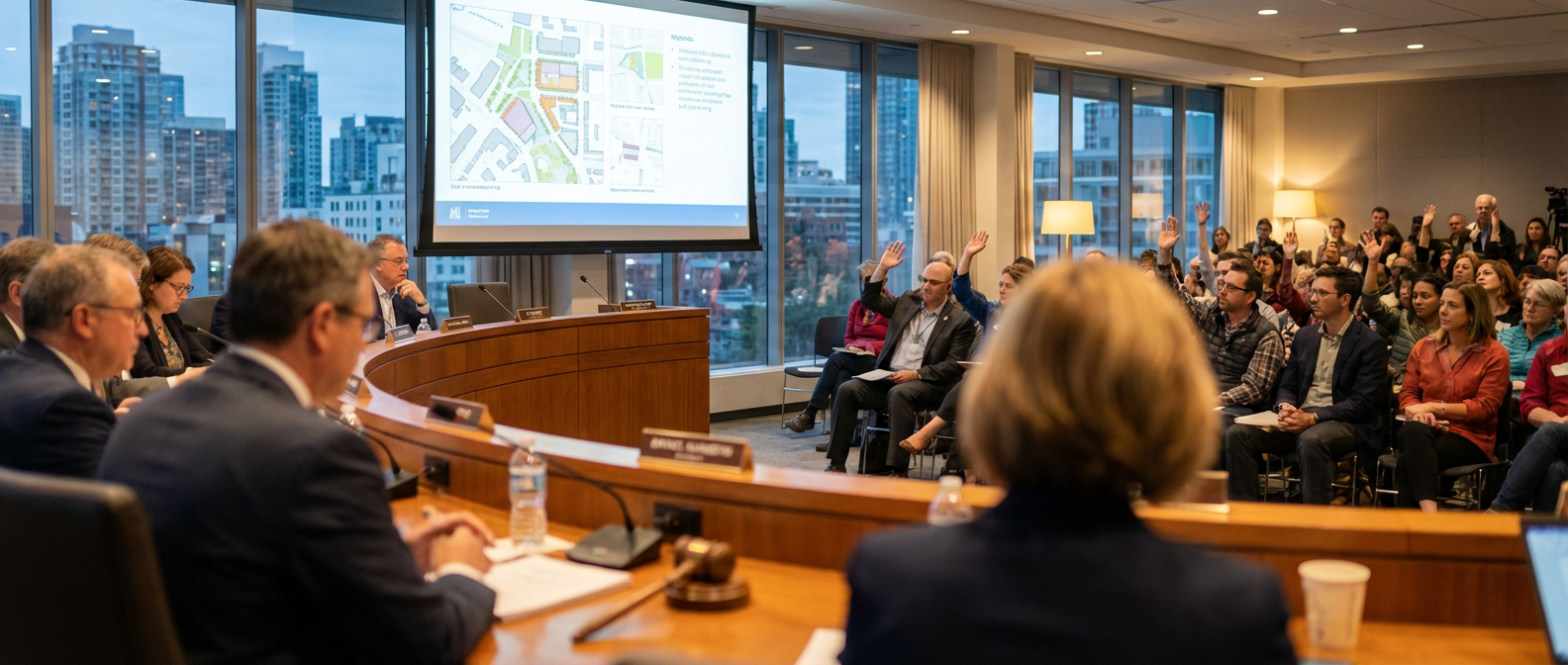
Last Tuesday, while most of Franklin was settling in for prime time television, Councilwoman Maria Santos cast the deciding vote that will determine whether the Riverside Community Center stays open or becomes another empty building on Elm Street. The 4-3 vote came after two hours of testimony from residents who use the center’s after-school programs, senior meal services, and emergency shelter space during winter storms.

Santos switched her position at the last minute, citing new information about federal emergency preparedness grants that could offset operational costs. “I got three calls this weekend from families whose kids depend on those homework programs,” she told me after the meeting. “That’s real impact, not just line items in a spreadsheet.”
This is how democracy actually works. Not in the drama of congressional hearings or presidential tweets, but in that fluorescent-lit conference room where five people decide whether your street gets repaved this year or next. Whether the library stays open on Sundays. Whether that pothole on Maple Avenue finally gets fixed.

The Numbers Behind the Headlines
Franklin’s $12.8 million budget might seem modest compared to state and federal spending, but every dollar touches someone’s daily life. The proposed 3% property tax increase translates to roughly $180 annually for the median homeowner. For seniors on fixed incomes, that’s a month of groceries. For young families, it’s daycare money.
Councilman Robert Chen ran the numbers during public comment: the increase would fund two more police officers, extend library hours, and maintain current snow removal services. Without it, the city faces service cuts that hurt residents who can’t afford private alternatives most.
Economic development coordinator Sarah Mitchell showed data proving that every dollar spent on infrastructure improvements generates $4.20 in local economic activity within three years. The council approved $800,000 for downtown sidewalk improvements anyway, even with three business owners worried about construction disrupting foot traffic.
What National Politics Misses
National political coverage obsesses over ideological battles and partisan theater. City council meetings reveal something different: neighbors trying to solve problems together, even when they disagree about methods. Franklin’s council has a retired teacher, a small business owner, an electrician, a nurse, and a local bank manager. Their political affiliations matter less than their shared stake in keeping the place running.
Take the homeless services debate that ate up March meetings. Conservative Councilman James Wright and progressive Councilwoman Lisa Park found common ground supporting a coordinated response plan, even though they disagree about root causes. Wright emphasized public safety and property values. Park focused on human dignity and social justice. Both voted yes on funding for more social workers and temporary housing assistance.
This pragmatic problem-solving gets lost in national political narratives that feed on conflict. Local government forces elected officials to confront real consequences of their decisions. When the downtown parking meters break, residents know exactly who to call. When school crossing guards get laid off, parents show up to meetings with their kids in tow.
The Stories Behind the Agenda Items
Agenda Item 7B sounds bureaucratic: “Ordinance 2024-15 regarding residential parking restrictions on Oakwood Avenue.” The human story: longtime residents dealing with overflow parking from the new apartment complex, students walking longer distances to class, families unable to park near their own homes. Eighty-year-old Frank Kowalski spoke for three minutes about carrying groceries four blocks because commuters fill every space by 7 AM.
The council’s solution balances competing needs: two-hour parking limits during weekday business hours, overnight restrictions for non-residents, and designated visitor spaces. It’s not perfect, but it addresses real problems affecting real people. Implementation starts next month, with enforcement beginning after a 30-day adjustment period.
These detailed decisions shape community character more than any federal policy. Franklin’s tree preservation ordinance, debated over six meetings, determines whether new developments maintain the canopy cover that makes neighborhoods walkable and attractive. The food truck regulations voted on last month will either support local entrepreneurs or protect established restaurants from competition.
Why Your Voice Matters
City councils operate closer to consensus than other political bodies because members face constituents at the grocery store, not just during election cycles. Public comment periods provide direct access that doesn’t exist at higher levels of government. Three minutes at the podium can change policy in ways that endless social media posts cannot.
Regular attendees develop relationships with council members and city staff. They understand budget cycles, know which departments handle specific issues, and recognize when problems need immediate attention versus long-term planning. This knowledge amplifies citizen influence beyond individual meetings.
Franklin’s next council meeting is Tuesday at 7 PM in the municipal building conference room. The agenda includes the annual police department report, proposed changes to noise ordinances, and public input on the downtown revitalization plan. Coffee is provided, parking is free, and your presence matters more than you might think.