The Numbers Don’t Lie About What’s Coming
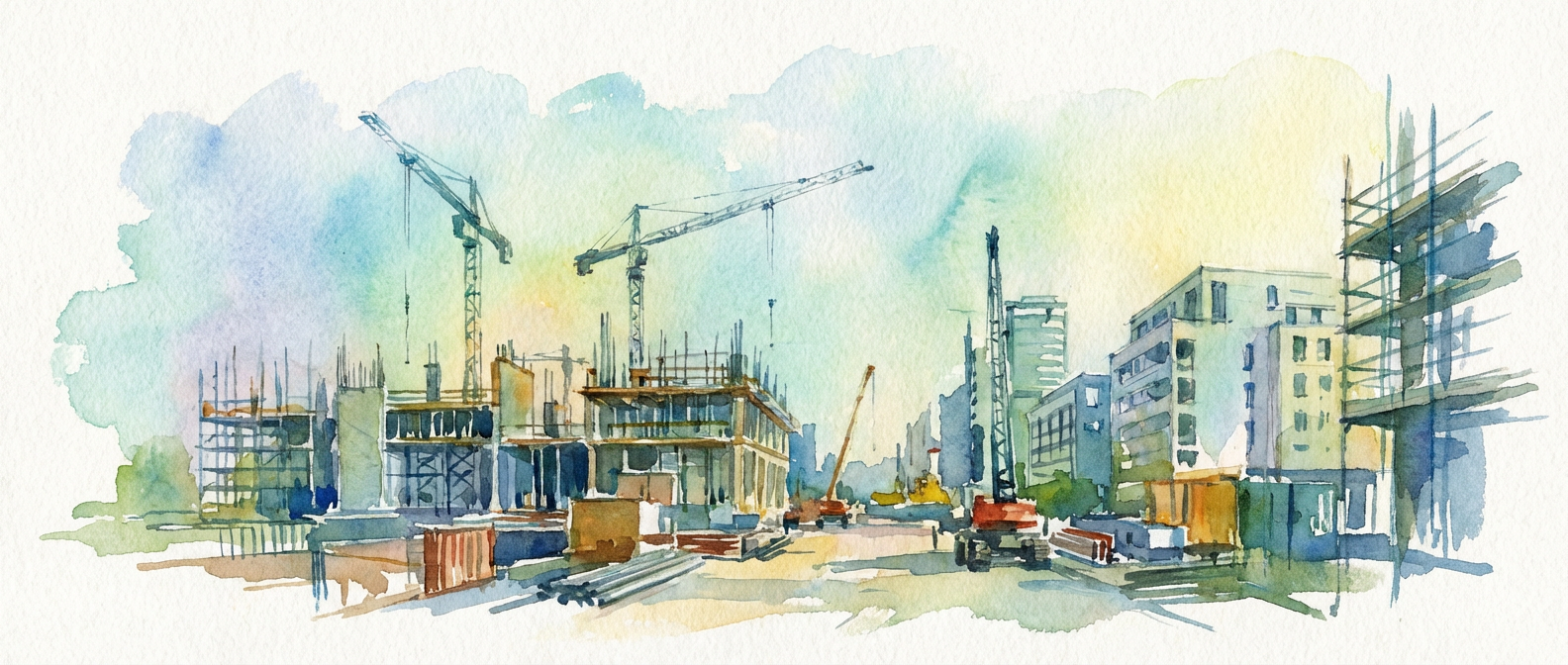
Three major development projects broke ground in our downtown core this month, representing a combined $340 million investment that will completely change the skyline and street life we’ve known for decades. After spending the last six weeks attending planning commission meetings, reviewing environmental impact reports, and walking these sites with hard hats borrowed from patient contractors, the scope becomes clear. We’re not just talking about new buildings. We’re watching the biggest transformation of our city center since the urban renewal projects of the 1960s.

The Meridian Mixed-Use Complex on Fifth Street will have 280 apartments above 45,000 square feet of retail space. Two blocks south, the Heritage District renovation is converting four abandoned warehouses into 120 loft-style condominiums with ground-floor commercial space. Meanwhile, the controversial Riverside Towers project promises 18 floors of luxury housing where the old bus depot once stood. Each project tells a different story about who gets to live downtown and at what cost.
Where the Affordable Housing Promise Meets Reality
City Councilwoman Maria Santos walked me through the affordable housing commitments last Tuesday, coffee in hand and frustration barely contained. “The developers promised us 15 percent affordable units across these projects,” she explained, pointing to highlighted sections in a thick planning document. “But when you dig into the details, most of those units are priced for families making 80 percent of area median income. That’s $65,000 for a family of four. Tell me how many service workers, teachers, or retail employees can swing that.”
The math becomes stark when you consider our current housing crisis. The average one-bedroom apartment downtown now rents for $1,850 monthly, up 23 percent from two years ago. These new developments will add market-rate units starting at $2,200 for a studio. Housing advocate Tom Chen, who runs the Downtown Residents Coalition, put it bluntly during our phone conversation Thursday: “We’re building beautiful housing for people who already have housing while pushing out the people who actually work in these neighborhoods.”
The developers argue their projects include community benefits beyond housing. The Meridian Complex will fund $2.3 million in streetscape improvements. Heritage District committed $800,000 toward the new community center. Riverside Towers will contribute $1.5 million to affordable housing development elsewhere in the city. Whether these payments compensate for the displacement pressure remains hotly debated in neighborhood meetings that have grown increasingly tense.
Infrastructure Struggles Hidden in Plain Sight
Public Works Director James Morrison showed me something most residents never see: the 1940s-era water mains running beneath the construction zones. “We’re adding roughly 800 new residential units to an area with pipes that were installed when the neighborhood had half its current population,” he said, crouching beside an excavated section near the Meridian site. “The good news is these projects are paying for infrastructure upgrades. The challenging news is we’re basically rebuilding our underground utility grid while people are trying to live and work above it.”
The construction timeline reveals the coordination challenge ahead. Meridian expects completion by March 2025. Heritage District targets fall 2024. Riverside Towers won’t finish until summer 2026. That means nearly three years of rotating street closures, utility disruptions, and the constant rumble of heavy equipment. Local business owners are already feeling the impact. Carmen’s Bakery on Fourth Street saw foot traffic drop 30 percent since construction fencing went up, according to owner Carmen Rodriguez.
The Economic Ripple Effect Nobody Talks About
Economic development analyst Rebecca Kim helped me understand the broader financial implications during our meeting at City Hall. “These projects will generate approximately $4.2 million annually in new property tax revenue once fully occupied,” she explained, pulling up spreadsheets that track development impact across the county. “But the real economic engine is the estimated 1,200 construction jobs over the next three years, plus 180 permanent retail and service positions in the new commercial spaces.”
The employment picture comes with complications. Construction trades are already stretched thin across the region, driving up labor costs and extending project timelines. Meanwhile, the retail spaces designed for these developments face an uncertain market. Downtown already has a 22 percent commercial vacancy rate, according to the latest Chamber of Commerce report. Adding 75,000 square feet of new retail space seems optimistic unless the residential population growth creates demand that doesn’t currently exist.
Local hiring remains a persistent challenge. While developers committed to prioritizing local workers, the specialized nature of high-rise construction means many jobs will go to crews based in larger metropolitan areas. The permanent employment opportunities will likely come from property management, retail, and food service positions that typically offer lower wages and fewer benefits than the construction jobs that created them.
What Comes Next for the Neighborhood
The transformation extends beyond these three flagship projects. Planning documents reveal six more developments in various approval stages, representing another $180 million in potential investment. The cascade effect is already visible in rising property values throughout the surrounding area. Single-family homes that sold for $180,000 five years ago now list for $280,000 or more.
Long-time residents like Dorothy Williams, who has lived on Maple Street for 34 years, find themselves caught between appreciation for neighborhood improvements and concern about their ability to afford staying. “My property taxes have doubled, which sounds great until you realize I’m on a fixed income,” she told me while watching construction crews work across from her front porch. “I love seeing investment in our area, but I worry we’re improving ourselves right out of our own neighborhood.”
The next six months will prove critical as these projects move from foundation work to vertical construction. Public input opportunities continue through the monthly planning commission meetings held the first Thursday of each month at 7 PM in City Hall. The real story of how these developments reshape our downtown will unfold in the details: which businesses survive the construction disruption, whether the affordable housing materializes as promised, and how well we balance growth with community character. I’ll be tracking every planning document, budget line item, and neighborhood meeting to make sure you know how your city is changing and who’s making those decisions.